
Photo: kallerna / Wikimedia Commons, CC BY-SA 4.0
Orangutans at Sepilok, proboscis monkeys and pygmy elephants on the Kinabatangan River, and sunrise on Mount Kinabalu: how to plan Sabah’s three great wildlife and nature experiences.
Sabah, the Malaysian state that covers the northern tip of Borneo, is one of the best places in Asia to see wild animals. Three experiences sit at the heart of most trips: the orangutan centre at Sepilok, near Sandakan on the east coast; a river safari on the Kinabatangan; and a climb, or at least a visit, to Mount Kinabalu, Borneo’s highest peak. They fit neatly into a week to ten days. Remember that Sabah has its own immigration checks, even if you fly in from Kuala Lumpur, so keep your passport handy (see our entry checklist).
Sepilok: Orangutans in the Forest
The Sepilok Orang Utan Rehabilitation Centre was set up in 1964 to care for orphaned orangutans and return them to the wild. It lies in the Kabili-Sepilok Forest Reserve, about 23 kilometres (40 minutes’ drive) from Sandakan, says the Sabah Tourism Board. Orangutans that have been released come back to a platform in the forest at the 10am and 3pm feeding sessions, and young orangutans can be watched from the outdoor nursery. Several jungle lodges lie within a kilometre of the centre, so you can stay overnight and catch both the morning and afternoon feedings.
- Entry: RM30 (about US$7.35) for non-Malaysian adults and RM15 for children.
- Hours: 9am to noon and 2pm to 4pm, except Fridays, when the morning session ends at 11am.
- No-shows are a good sign: in fruiting season, orangutans may find enough food in the wild and skip the platform.
- Do not touch: orangutans share about 96 per cent of our DNA and can catch human diseases, so keep your distance, even if one walks onto the boardwalk.

Photo: shankar s. / Wikimedia Commons, CC BY 2.0
Next door, the Bornean Sun Bear Conservation Centre cares for rescued sun bears, the world’s smallest bear species, and has walkways and viewing platforms into the forest.

Photo: CEphoto, Uwe Aranas / Wikimedia Commons, CC BY-SA 3.0
The Kinabatangan: A River Safari
The Kinabatangan is Malaysia’s second-longest river, flowing 560 kilometres to the Sulu Sea. Its lower reaches form the Lower Kinabatangan Wildlife Sanctuary, Malaysia’s largest Ramsar site (a wetland of international importance). The Sabah Tourism Board says the surrounding forest is one of only two places in the world where ten species of primates can be found, and all eight of Borneo’s hornbill species live here.
The best way to see them is on a small boat at dawn or dusk. Expect proboscis monkeys, with their long noses and pot bellies, gathering in the riverside trees, plus long-tailed macaques, hornbills and saltwater crocodiles. With luck, you may see Bornean pygmy elephants feeding on the banks, or a wild orangutan. Most visitors stay two or three nights in a river lodge at Sukau, Bilit or Abai, on packages that include transport, meals and guided cruises. Birdwatchers should bring binoculars: the area is listed as an Important Bird Area, and early mornings on the water are best.

Photo: Apocru / Wikimedia Commons, CC BY-SA 4.0
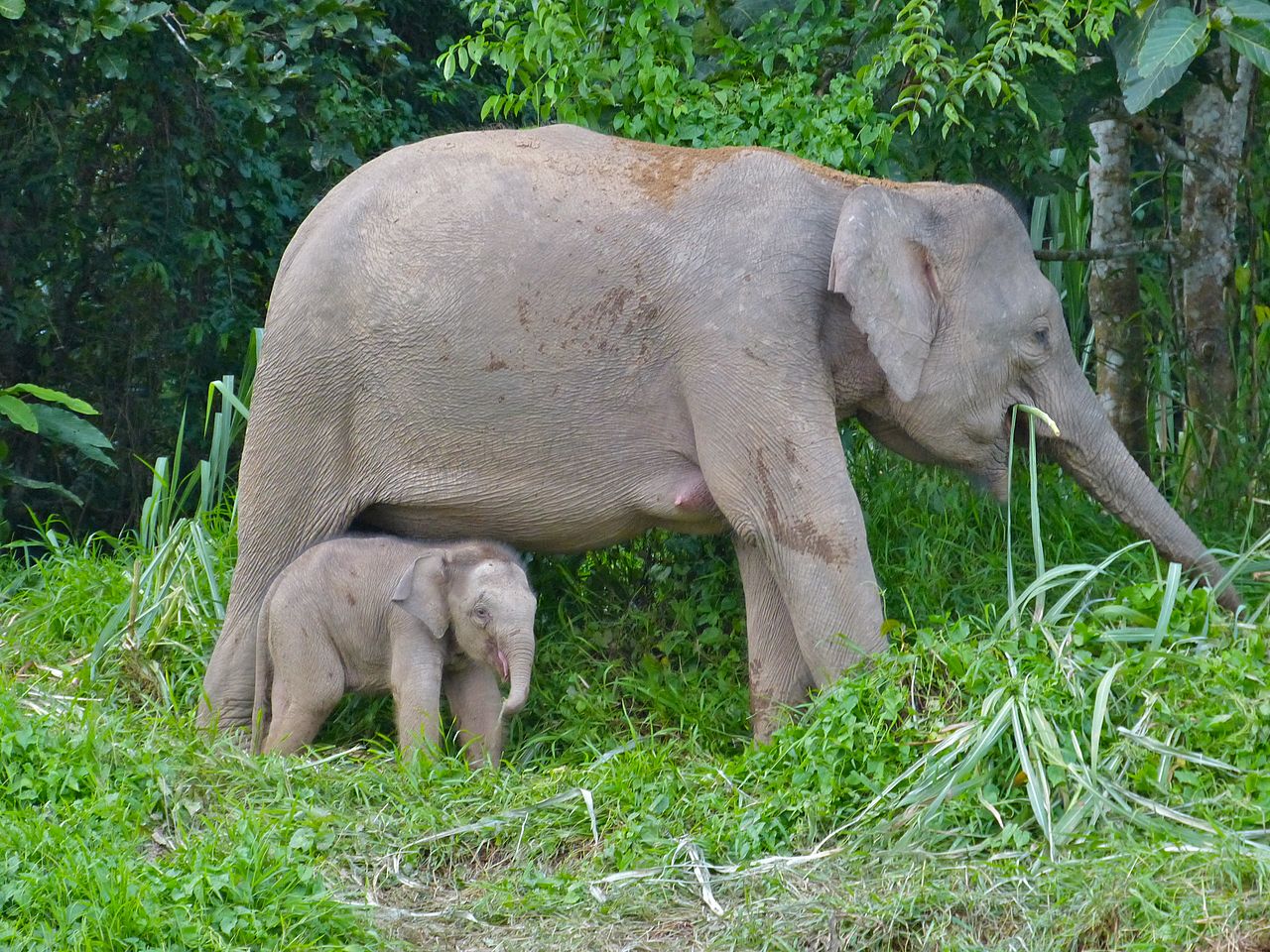
Photo: Bernard DUPONT / Wikimedia Commons, CC BY-SA 2.0

Photo: Artchenphoto / Wikimedia Commons, CC BY-SA 4.0
Mount Kinabalu: Sunrise Above the Clouds
Kinabalu Park, on Sabah’s west coast, became Malaysia’s first UNESCO World Heritage Site in 2000. It protects more than 4,500 species of plants and animals around Mount Kinabalu, whose summit, Low’s Peak, stands 4,095.2 metres high. Non-climbers can walk the trails around the park headquarters.
Climbing to the summit is a two-day trip, with a night at a mountain hostel and a 2am start to reach the top around sunrise. It must be booked online through Sabah Parks, and numbers are limited. Key points from Sabah Parks’ 2026 guide:
- Package: the Panalaban Hostel package for international adults costs RM1,043.25 (about US$255), including one night’s accommodation, three meals, the climbing permit, insurance and service charge.
- Extras: a mountain guide is compulsory (RM350, one guide for up to five climbers), plus a conservation fee of RM50 for international adults and transport to Timpohon Gate. Bring cash for the guide.
- Rules: cancellations are non-refundable, names cannot be changed, and only one date change is allowed.
- Health: Sabah Parks asks people with heart disease, high blood pressure, chronic asthma or several other conditions not to climb.
- 2027: as of 19 September 2026, bookings for 2027 had not yet opened. Watch the Sabah Parks site.

Photo: kallerna / Wikimedia Commons, CC BY-SA 4.0

Photo: kallerna / Wikimedia Commons, CC BY-SA 4.0
When to Go
Borneo’s wettest months are roughly November to February, and Lonely Planet names March to May as Malaysia’s most reliable window for wildlife and for climbing Kinabalu. Book Kinabalu climbs and Kinabatangan lodges well ahead for those months.
Book the mountain early, the river lodge for two nights, and Sepilok for a morning and an afternoon.
Good to know
Sepilok details are from the Sabah Tourism Board. Kinabatangan facts are from the Sabah Tourism Board. Kinabalu climbing rules and prices are from Sabah Parks’ 2026 guide; prices for 2027 may change.
Have you seen orangutans or pygmy elephants in Sabah? Share your tips in the comments.
Explore the magazine
THE SERUMPUN TRAVEL DESK
Make more of your journey
Planning a trip around Malaysia? Explore accommodation and compare current availability on Trip.com before you travel.
Affiliate disclosure: Serumpun Living may earn a commission from qualifying bookings through this link, at no additional cost to you. Prices and availability are determined by Trip.com.
Leave a Reply