Photo: Jamieson Teo / Wikimedia Commons, CC BY-SA 2.0
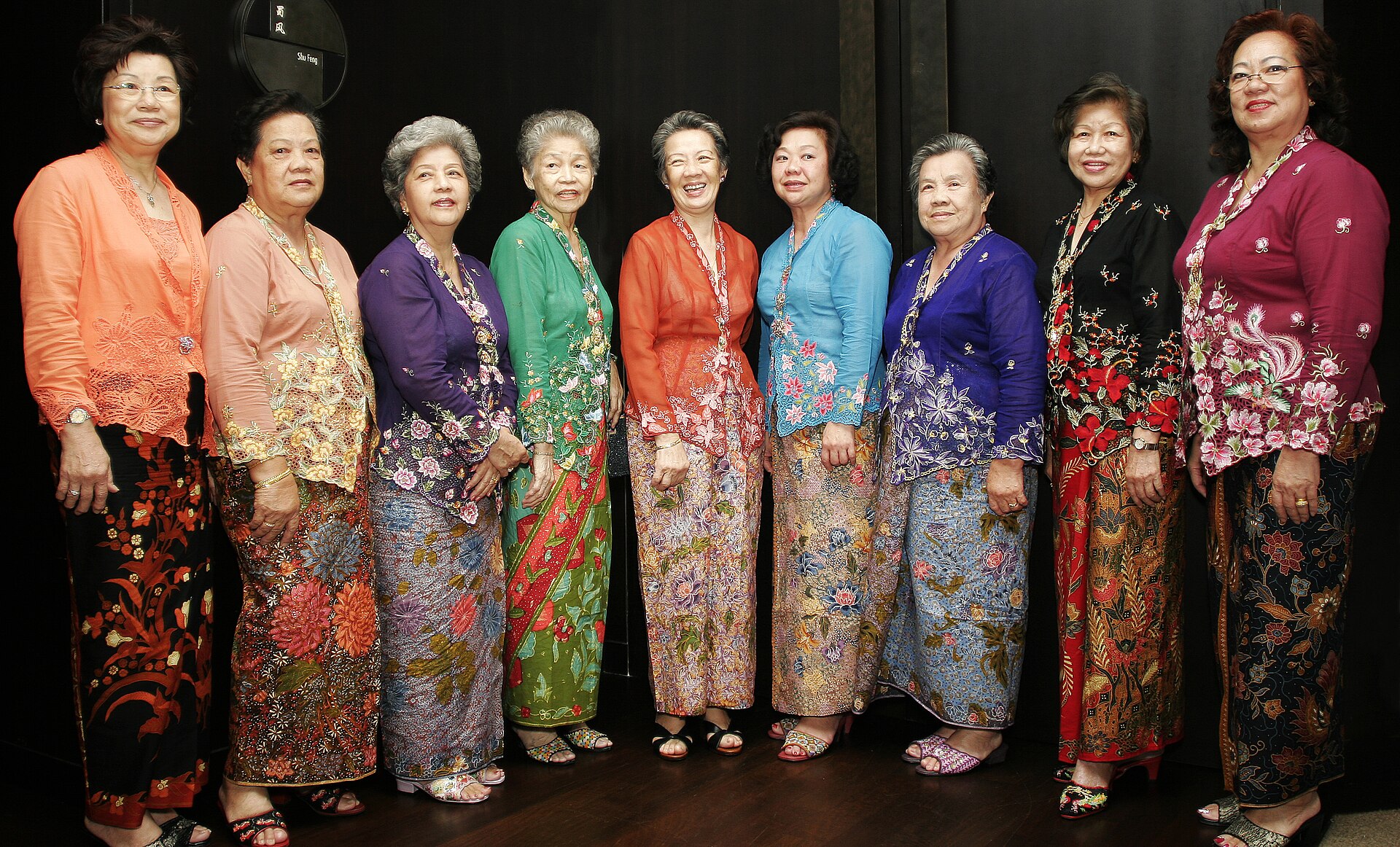
A blouse, a sarong and a brooch: the kebaya is one of the most recognisable garments in Southeast Asia, and since December 2024 it has been recognised by UNESCO too.
Few garments travel as easily between kitchens, weddings, offices and airline cabins as the kebaya. It is worn by Malay, Peranakan and many other communities, in fabrics from voile to silk, in cuts from cropped to knee-length. For anyone buying their first kebaya in Malaysia, or rediscovering a grandmother’s, this guide explains the UNESCO listing, the main styles and where to shop.
The Kebaya and UNESCO: What Happened in 2024
On 4 December 2024, at the 19th session of UNESCO’s Intergovernmental Committee for the Safeguarding of the Intangible Cultural Heritage, held in Asunción, Paraguay, “Kebaya: knowledge, skills, traditions and practices” was inscribed on the Representative List of the Intangible Cultural Heritage of Humanity. The nomination was submitted jointly by Brunei Darussalam, Indonesia, Malaysia, Singapore and Thailand. Singapore’s National Heritage Board described it as the largest Southeast Asian nomination by number of countries.
For Malaysia, the national heritage department described it as the country’s third multinational inscription, after pantun and the Wangkang ceremony, both inscribed in 2020. The point of a joint listing is important: UNESCO does not award a garment to one country. It recognises a living practice shared by many communities, and the skills of the tailors, embroiderers and wearers who keep it alive.
Good to know
The UNESCO element covers knowledge, skills, traditions and practices, not a single design. That is why there is no “official” kebaya: every style described below is part of the same heritage.

Photo: Mike Peel / Wikimedia Commons, CC BY-SA 4.0
The Main Styles, Simply Explained
Names and definitions vary from family to family and region to region, so treat these as broad descriptions rather than strict rules.
- Kebaya Nyonya. The Peranakan style: a short, fitted blouse in fine voile, with elaborate embroidery (sulam) or cut-work at the hem and front edges, fastened with a set of three linked brooches called kerongsang and worn with a batik sarong. Melaka and Penang are its strongholds.
- Kebaya Labuh. The long kebaya, falling to the knee or below, often in plain or lightly patterned cloth. It is associated with older Malay court and village dress and is usually considered the more formal, modest choice.
- Kebaya Pendek. A shorter kebaya ending around the hip. Museums in Kuala Lumpur and Singapore hold fine early 20th century examples.
- Kebarung. A hybrid of the kebaya and the baju kurung: looser in fit, with a longer top. Popular for Hari Raya and for those who want the look of a kebaya with the comfort of a kurung.
- Kebaya Kota Bharu. A style named after the Kelantan capital, usually closely fitted to the body. Makers describe its details in different ways, so ask to see examples.

Photo: Marcin Konsek / Wikimedia Commons, CC BY-SA 4.0
Where to See Historic Kebaya
Before shopping, it is worth seeing the real thing. Muzium Negara in Kuala Lumpur displays kebaya within its galleries on Malaysian dress, and the Peranakan house museums of Melaka show how the garment was worn at home. In Singapore, the Peranakan Museum’s textile collection includes examples from Malaya dating from around 1950 and earlier. In Terengganu, the textile gallery of the state museum at Losong focuses on batik and songket, the fabrics that a kebaya is often paired with.

Photo: Bjoertvedt / Wikimedia Commons, CC BY-SA 4.0

Photo: Bjoertvedt / Wikimedia Commons, CC BY-SA 4.0
Where to Buy a Kebaya in Malaysia
Prices range from ready-to-wear pieces at mall boutiques to hand-embroidered commissions that can take months. A few well-known names, checked in October 2026:
- Royal Kebaya, MyTOWN Shopping Centre, Kuala Lumpur. A kebaya specialist at Lot L2-062 in the Cheras mall, open daily from 10am to 10pm according to its website.
- Nyonya Art Studio Jonker, 129 Jalan Hang Jebat, Melaka. On Jonker Street, specialising in Nyonya kebaya and accessories. The Travel Melaka listing gives hours of 10am to 6pm, Thursday to Tuesday (closed on Wednesdays).
- Penang: George Town’s Peranakan quarter has its own embroiderers and tailors. Names and opening days change, so ask at the Pinang Peranakan Mansion or your hotel for a current recommendation.

Photo: Chongkian / Wikimedia Commons, CC BY-SA 4.0
A good kebaya is fitted to the wearer, not the other way round. Allow time for alterations.

Photo: *angys* / Wikimedia Commons, CC BY-SA 4.0
Buying Tips
- Know your fabric. Voile and cotton breathe in the heat; lace and silk are for evenings and weddings.
- Look at the embroidery. Hand embroidery is slightly irregular and is reflected in the price. Machine embroidery is perfectly even and far cheaper. Both are honest choices if they are honestly described.
- Do not forget the kerongsang. A set of brooches finishes a Nyonya kebaya, and antique or new sets are often sold separately.
- Pair it well. A Terengganu batik sarong is a natural match. Our guide to Terengganu batik and songket explains what to look for, and East Coast Style Through the Seasons covers what to wear when.
Editor’s Note
Shop hours were taken from each business’s own website or official tourism listings in October 2026, and can change. Style definitions are deliberately broad: ask the maker how they name their cuts.
Do you have a family kebaya, or a favourite tailor? Tell us in the comments below.
Explore the magazine
Leave a Reply