
Photo: Sharon Hahn Darlin / Wikimedia Commons, CC BY 2.0
Malaysia’s Budget 2027 proposes raising the duty-free shopping limit for visitors to Langkawi and Labuan to RM10,000, provided they stay at least 48 hours. What changes, when, what is excluded, and how to plan a stay around it.
Langkawi, an archipelago of 99 islands off Malaysia’s north-west coast, is one of Malaysia’s duty-free islands. Visitors come for its beaches, rainforest and UNESCO Global Geopark, and many leave with a bag of tax-free chocolate. On 9 October 2026, in the Budget 2027 speech, the government announced a much higher limit on the goods visitors can take away from Langkawi and Labuan without paying import duty and sales tax.
What Is Changing
- The new limit: visitors and tourists can take out up to RM10,000 (about US$2,450) of duty-free and sales-tax-free goods.
- The condition: a minimum stay of 48 hours on the island.
- When: the measure is proposed to take effect on 1 January 2027, according to KPMG’s analysis of the Budget 2027 tax proposals. Like other budget measures, it depends on the legal order being gazetted. If you are travelling in early January, check the Royal Malaysian Customs Department’s announcements before you shop.
- Which islands: Langkawi and Labuan only. KPMG notes that the other duty-free areas, Tioman, Pangkor and Pulau 1 at Forest City in Johor, keep their existing treatment.
The new limit applies to new goods. Six categories are excluded: tyres and tubes, alcoholic drinks, cigarettes, tobacco products, smoking pipes, and e-cigarettes and vapes, including their liquids and gels. In other words, the bigger allowance is aimed at things like clothes, cosmetics, electronics and kitchenware, not at drink and tobacco.
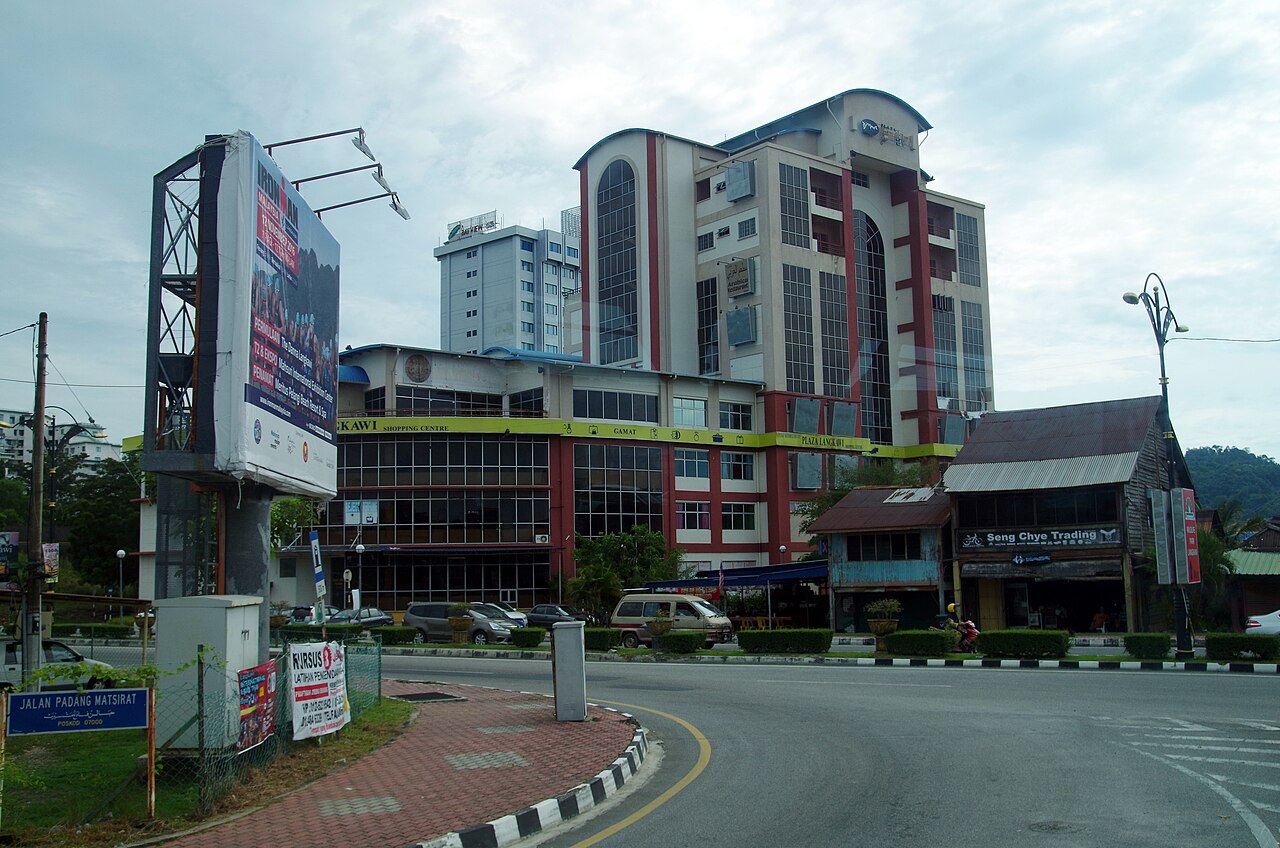
Photo: Balou46 / Wikimedia Commons, CC BY-SA 4.0
Why the 48-Hour Rule Matters
The 48-hour stay is the catch for day-trippers. A ferry over from the mainland in the morning and back in the evening will not qualify for the new limit. Plan at least two nights on the island, and keep your boarding passes, ferry tickets and hotel booking as proof of the length of your stay. Foreign guests also pay Malaysia’s tourism tax of RM10 per room per night at most hotels.

Photo: Sharon Hahn Darlin / Wikimedia Commons, CC BY 2.0
Getting There
Ferries run to Kuah from Kuala Perlis and Kuala Kedah on the mainland, and from Satun in southern Thailand. Langkawi International Airport has flights from Kuala Lumpur on Malaysia Airlines and AirAsia, and direct flights from Penang and Singapore, says the island’s visitor guide. The island also escapes the worst of the north-east monsoon, so it is a good year-end choice when the east-coast islands are closed. See our monsoon beach guide.

Photo: Axadem / Wikimedia Commons, CC BY-SA 4.0
What to Buy, and What Is Local
Kuah, the main town, is where most of the duty-free shops are, around the jetty and along the main roads. Chocolate is the classic Langkawi purchase, along with cookware, perfume and cosmetics. Compare prices before a big purchase: duty-free is not always cheaper than a mainland sale, especially for electronics, and check that any warranty is valid at home.
The budget also widens a separate import-duty exemption for products made in Langkawi, again from 1 January 2027. KPMG’s list includes coffee, pineapple tarts, coconut cookies, chocolate made on the island, buffalo-milk ice cream, virgin coconut oil and anchovies. Buying local helps island businesses, and these make better souvenirs than imported goods you could find anywhere.

Photo: Zamwan / Wikimedia Commons, CC BY-SA 4.0
Stay two nights, keep your receipts and tickets, and leave the drink and tobacco out of your calculations.
Between Shopping Trips
Langkawi is far more than a shopping stop. The Langkawi Cable Car (SkyCab) climbs Gunung Machinchang to a top station with views over the Andaman Sea. The mountain’s rocks, the Machinchang Formation, were the first part of Southeast Asia to rise from the seabed, more than half a billion years ago, and they anchor one of the geopark’s three main conservation areas. The other two are the Kilim karst (limestone) forest in the north-east and the marble island of Dayang Bunting, with its freshwater Lake of the Pregnant Maiden. Pantai Cenang, on the west coast, is the island’s busiest beach strip, and mangrove boat tours run through the Kilim area.

Photo: Ttt.Osakanman / Wikimedia Commons, CC BY-SA 4.0
And Labuan?
The same RM10,000 limit applies to Labuan, a small federal territory island off the coast of Sabah in Malaysian Borneo, reached by ferry from Kota Kinabalu or by air. Labuan is better known for its offshore financial centre and Second World War history than for beaches, but the higher limit may make it a more tempting stop on a Borneo trip.

Photo: Lofor / Wikimedia Commons, CC BY-SA 3.0
Good to know
The RM10,000 limit, the 48-hour condition, the excluded goods and the 1 January 2027 date are from Budget 2027 (9 October 2026), as reported by the New Straits Times and Malay Mail and set out in KPMG’s indirect tax summary. Confirm the final rules with the Royal Malaysian Customs Department before you travel.
Planning a Langkawi shopping trip for 2027? Tell us what is on your list in the comments.
Explore the magazine
THE SERUMPUN TRAVEL DESK
Make more of your journey
Planning a trip around Malaysia? Explore accommodation and compare current availability on Trip.com before you travel.
Affiliate disclosure: Serumpun Living may earn a commission from qualifying bookings through this link, at no additional cost to you. Prices and availability are determined by Trip.com.
Leave a Reply